Commercial Fryer Temperature Drops During Production
A fryer that sits at set point all morning and then falls away the moment the line gets busy is telling you something specific — and something different from a fryer that never heats at all.
What the symptom actually tells you
Two complaints arrive worded the same way. No heat means the vat never reaches set point, and the investigation begins at the heat source and the safety chain behind it. Weak recovery means the vat does reach set point when idle but drops under load and takes too long to return, which is a question about how much heat is actually being delivered, how the control responds, and how hard the vat is being worked. Saying which one you have shortens the visit considerably.
Fuel type and model change the whole approach. Gas and electric fryers use different heat sources, different controls and different supply arrangements, and even within one brand the ratings differ by market and model. Documentation written for a 380–415 V export unit, for instance, does not describe a US machine, so the rating is read from your own data plate rather than assumed from a family name.
Loading and care history belong in the same conversation. Product straight from the freezer, baskets filled past the manufacturer's guidance, more drops per hour than the vat was specified for, oil past its useful life, and a boil-out routine that has slipped all shift a fryer's recovery. None of that is a criticism — it is context that separates an equipment fault from a duty question, and a technician who has it wastes less of your time.
KONGRA LLC is an independent service company. Diagnosis is a paid on-site visit with instruments and manufacturer service data, followed by a written estimate. Gas and electrical work is performed only within KONGRA's legal scope or coordinated with properly licensed independent contractors.
Which pattern matches your vat
These are categories to narrow the question before a visit, not a remote diagnosis. Confirmation requires on-site measurement.
- Never reaches set point at allA no-heat condition rather than a recovery one. The heat source, its supply and the safety chain are assessed first, by measurement.
- Holds when idle, drops sharply on each drop of productA recovery question. Delivered heat, control response, load size and drop frequency are compared against the model's documented capability.
- Recovers, but far more slowly than it used toA change over time. Note roughly when it started and what changed around then — menu volume, oil routine, cleaning schedule, or work on the building supply.
- Only one vat on the line behaves this wayA useful comparison you already have. Note how the other vats behave under the same load; a single-vat difference narrows the question quickly.
What you can safely observe yourself
These are normal operator observations. Nothing here involves opening the fryer, touching gas or electrical parts, or resetting a safety device.
- Record the make, model, serial number and fuel type from the data plate
- Note the set point, the temperature it falls to on a drop, and roughly how long it takes to return
- Note whether the problem happens only at busy periods
- Compare the affected vat with the others on the line under the same load
- Note basket loading and how many drops per hour the vat is doing
- Note the oil condition, when it was last changed and when the vat was last boiled out to the manual's method
- Photograph any display, indicator or message exactly as it appears
- Note anything that changed recently — menu volume, product, supply work in the building
- Do not adjust a burner, gas valve, regulator or air setting — no instructions for this are given here
- Do not reset, bypass, jumper or defeat a high limit, thermostat, interlock or any safety device
- Do not remove panels or work on the fryer while it is powered or hot
- Do not raise the set point to compensate for slow recovery
- Do not operate the fryer if you smell gas: leave the area, avoid switches and flames, and contact the gas utility or emergency services from a safe location
What requires a technician on site
- Measured oil temperature against set point through a full recovery cycle
- Delivered heat assessed at the heat source appropriate to the fuel type
- Thermostat, probe placement and controller response measured, not inferred
- High-limit and safety-chain behaviour tested within legal scope
- Burner, orifice and flame condition inspected on gas units, including delayed ignition as a safety-relevant finding
- Element and electrical supply condition assessed on electric units against the data-plate rating
- Filtration, oil condition and drain path inspected where fitted, since they present as temperature complaints
- Gas adjustment, safety-device resets and regulated electrical work are performed only within KONGRA's legal license, insurance and practical service scope
- Ratings and specifications are read from your unit's own data plate; export-market documentation is not applied to US machines
- Building gas supply, ventilation and hood systems are separate licensed trades
- Oil disposal, filtration contracts and product specification remain with the operator or their supplier
- KONGRA is not affiliated with, endorsed by or authorized by any fryer manufacturer
What to send with your request
The more of this arrives up front, the more useful the first visit is.
- Make, model, serial number and fuel type from the data plate
- Whether the vat never heats, or heats but recovers poorly
- Set point, the temperature reached under load, and approximate recovery time
- How the other vats behave under the same load
- Loading pattern and drops per hour during the affected period
- Oil change and boil-out history
- Your service window and whether the vat is still in production use
These details are optional and help us prepare for your visit.
Real KONGRA equipment documentation
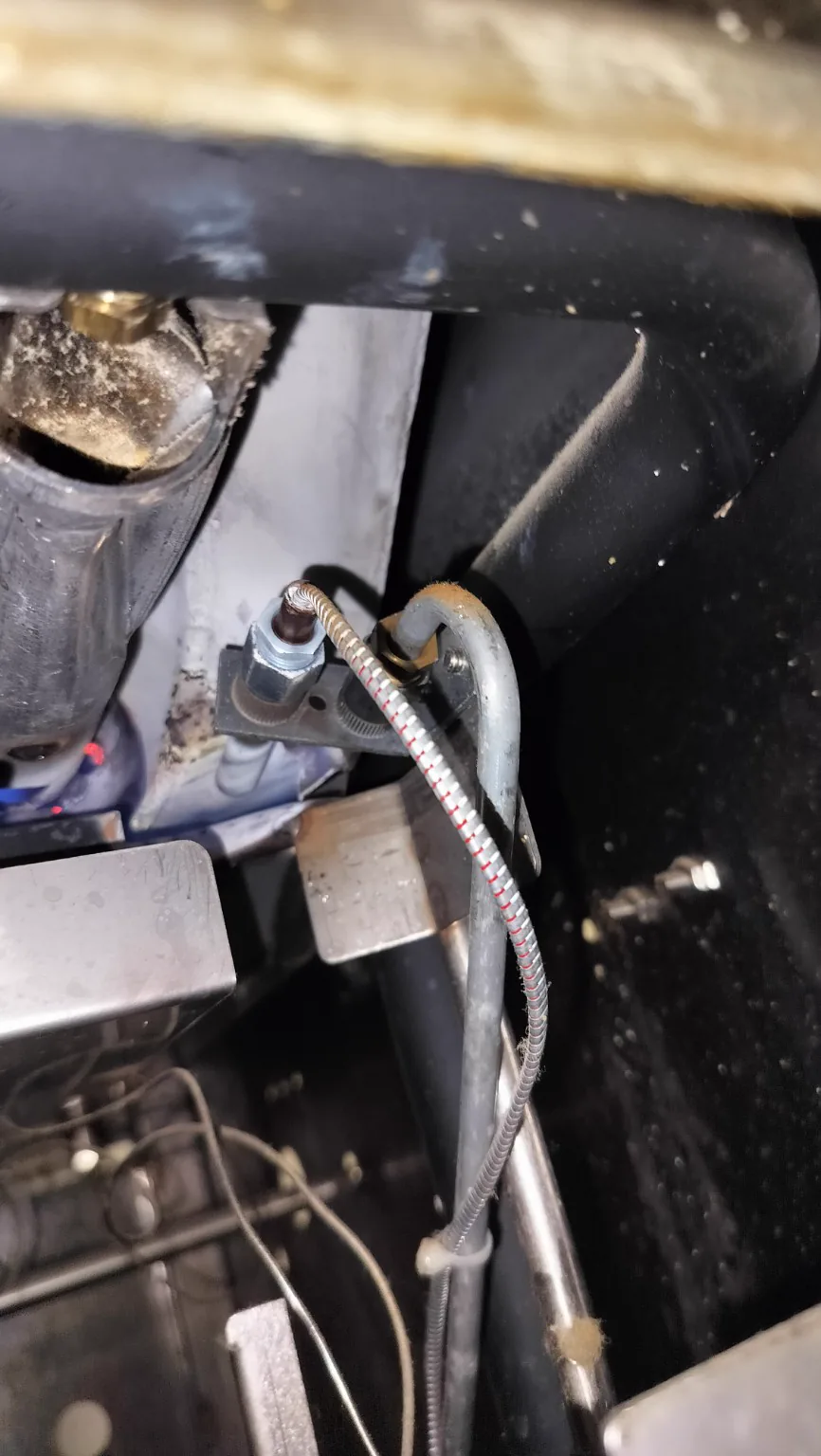
Pilot, thermopile and millivolt gas-control components documented during delayed-ignition diagnostics.
Commercial Fryer RepairThis photograph documents a Belshaw 718FG-NG ignition-system inspection as equipment context only. It is not a record of a temperature-recovery repair, and no diagnosis or outcome for the symptom described on this page is implied by it.
Manufacturer references
- Belshaw open-kettle gas fryer 718 / 724 / 734 manual (PDF)Belshaw 718, 724 and 734 open-kettle gas fryers only (MN1144). Cited for gas open-kettle context; electric models, other makes and export-voltage units are documented separately.
Related hot-line pages
Frequently asked questions
Is a temperature drop when food goes in normal?+
Some drop is expected on any fryer; the question is how far it falls and how long it takes to come back. Compare it with how the same vat behaved a few months ago and with the other vats on the line today.
Does it matter whether the fryer is gas or electric?+
Yes. The heat source, the controls and the supply behind them differ, and so does the diagnostic. Record the fuel type, the model and the electrical or gas rating from the data plate before booking.
Can we adjust the burner or reset the safety device ourselves?+
No, and no instructions for either are given here. Gas adjustment and safety-device resets are technician work performed within legal scope; attempting them on site is unsafe.